K7
★ Top Pick
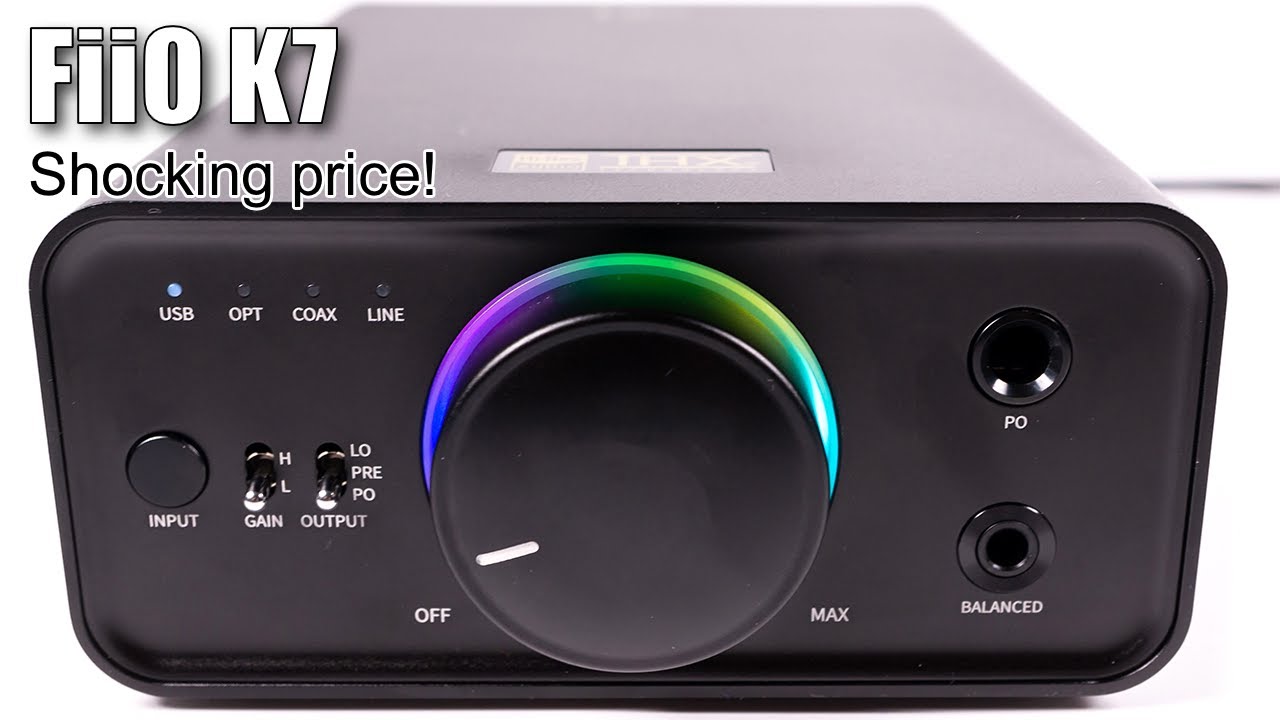
FiiO K7
Price history
We have been recording this product's price at its dealers since July. Player members see the 90-day trend, what it has been at its highest and lowest, and whether today is actually a good day to buy it.
A desktop amplifier with a genuinely good USB DAC built in, which is what makes it sensible for a studio rather than just a listening desk. Balanced and single-ended outputs, a two-position gain switch, and enough power for every common studio headphone including 250 ohm Beyerdynamics.
Key specifications
- Balanced 4.4mm: 2,000 mW into 32 ohms, 560 mW into 300 ohms
- Single-ended 6.35mm: 1,220 mW into 32 ohms
- Gain: two-position switch, high and low
- Inputs: USB, coaxial, optical and RCA. Dual AK4493SEQ DAC on board
- Outputs: 4.4mm balanced and 6.35mm single-ended
Why it made the list
The K7 is the pick because it removes a decision rather than adding one. Buying a separate amp usually means also buying a DAC, and at this budget a mediocre DAC undoes whatever the amp gained you. The K7 does both competently for around $200, drives the headphones most producers already own, and its gain switch means it is neither hissy with sensitive in-ears nor gutless with 250 ohm cans. It is not the last amp a dedicated hi-fi listener would buy. For a studio, it is the sensible one.
Deep Dive: Who It's Really For
The ideal buyer: A home studio with one pair of decent headphones, an interface whose output is not quite enough, and no separate DAC. That is most home studios.
Why the DAC matters here: Buying an amp alone often means pairing a good amplifier with whatever converter you already had, which caps the result. The K7 removes that decision, which is why it beats better-specified amps for a studio buyer.
Real-world use: Use the low gain setting with sensitive in-ears and high gain with 250 ohm headphones. It is a desk box, not a portable one, so plan a mains socket for it.
▶ Featured Review
Video Reviews & Tutorials

FiiO K7 balanced DAC and amplifier review
Full Review
BUDGET, BALANCED, BETTER! - FiiO k7 Review
Full Review

The New Cheap Hotness!! // FiiO K7
Review
$200 DAC/Headphone Amp Shootout - FiiO K7 Vs Topping DX3 Pro+ - Which one comes out on top?
Comparison
Pros
Amp and DAC in one box, so there is no second purchase 2,000 mW into 32 ohms, with real headroom left for 250 ohm cans Takes USB, optical, coaxial or RCA, so it sits after an interface or a computer Balanced and single-ended outputs on the frontCons
One 6.35mm jack, so no two-people-on-quarter-inch tracking The extra headroom is on the 4.4mm output, so a balanced cable is a further purchase Only two gain steps, so very sensitive in-ears can still hiss Hi-fi styling rather than rack-friendly studio hardwareMA400
Best Budget
Behringer MA400
Price history
We have been recording this product's price at its dealers since July. Player members see the 90-day trend, what it has been at its highest and lowest, and whether today is actually a good day to buy it.
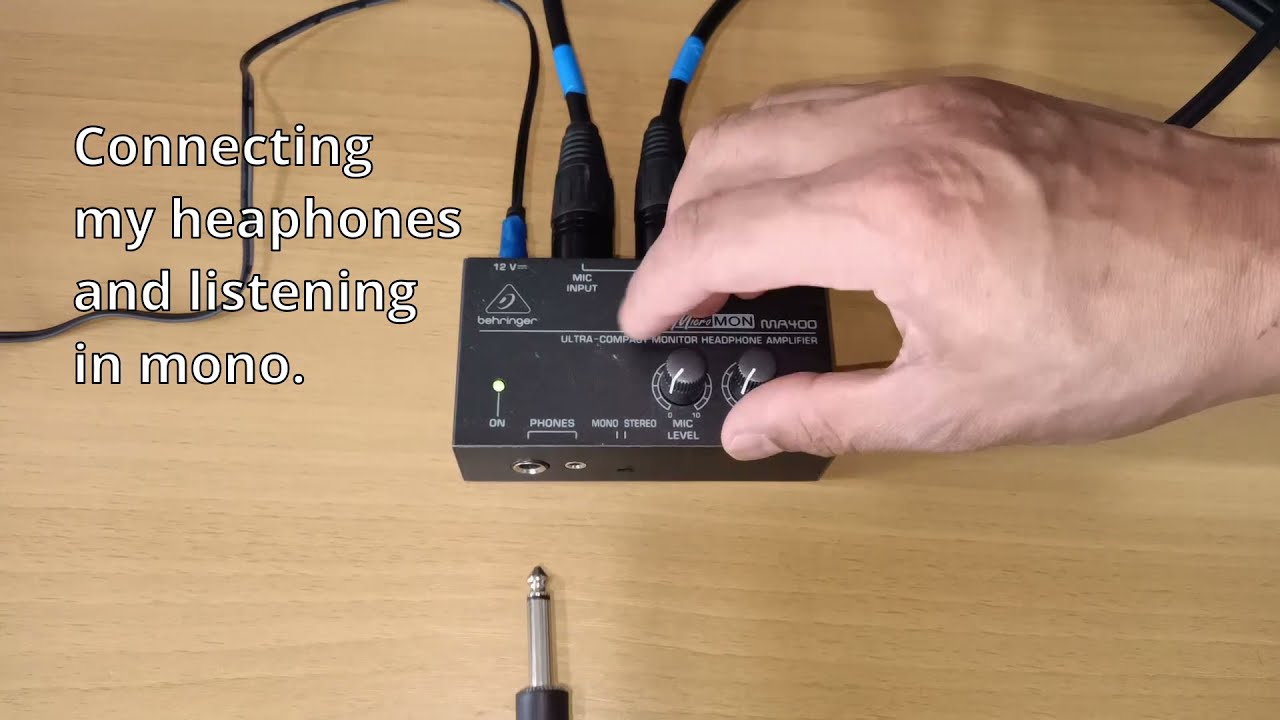
A small Micromon box combining a headphone amp, a stereo monitor input, and a microphone input with a thru so you can hear yourself while tracking. It is aimed at monitoring rather than critical listening, and it is priced accordingly.
Key specifications
- Output level: about +10 dBu (60 mW) into 100 ohms
- Inputs: XLR microphone in, XLR mic thru with ground lift, stereo 6.35mm monitor in
- Outputs: headphones only, 6.35mm and 3.5mm
- Dimensions: 47 x 103 x 64 mm, external 12V supply
Why it made the list
Because $25 is the right amount to spend when you are not yet sure you need an amp at all. It will not drive 600 ohm headphones and its noise floor is audible if you go looking for it, but it solves the problem most home studios actually have: a headphone output that is too quiet while tracking, and no easy way to hear yourself. Treat it as a monitoring utility rather than a mixing tool and it is good value. If you outgrow it, you will have learned exactly what to buy next without gambling $500 to find out.
Deep Dive: Who It's Really For
The ideal buyer: Someone who is not yet sure they need an amp at all. At this price the answer costs less than a set of cables.
What it is not: A mixing tool. The noise floor is audible if you listen for it, and 600 ohm headphones are beyond it. As a way to hear yourself while tracking, it does the job the interface would not.
Real-world use: The microphone thru is the useful part: your mic passes on to the interface while you monitor a blend of it and the track, which is exactly the problem singers hit when recording alone.
▶ Featured Review
Video Reviews & Tutorials

Supercheap! Headphone Preamp - Behringer MA400 review
Full Review

Using the Behringer MA400 - Practice Rig
Review

Zero Latency Recording using Behringer Xenyx Q502USB & MA400
Review
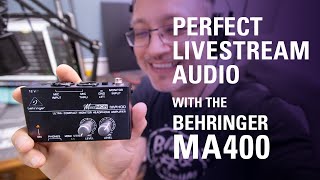
How to fix your livestream audio with the Behringer MA400
Tutorial
Pros
Cheapest credible way in Blends your mic into the monitor feed Mic thru passes the signal on to your interface Small enough to sit anywhereCons
Noise floor is audible in quiet passages Not enough power for 600 ohm headphones Plastic build feels its priceZEN CAN 3
Best for High Impedance
iFi ZEN CAN 3
Price history
We have been recording this product's price at its dealers since July. Player members see the 90-day trend, what it has been at its highest and lowest, and whether today is actually a good day to buy it.
A pure analogue amplifier with no DAC, which is the point: if your interface already converts, this spends the whole budget on driving headphones. Four gain settings, balanced and single-ended in and out, and enough voltage swing to take 600 ohm headphones seriously.
Key specifications
- Balanced 4.4mm: 385 mW into 600 ohms, 1,200 mW into 32 ohms
- Single-ended 6.35mm: 98 mW into 600 ohms, 1,600 mW into 32 ohms
- Gain: switchable 0, 6, 12 and 18 dB
- Inputs: RCA, 3.5mm single-ended, 4.4mm balanced. Analogue only, no DAC
- Outputs: 4.4mm balanced and 6.35mm single-ended
Why it made the list
If you own 250 or 600 ohm headphones and have been mixing off a laptop output, this is the upgrade where you genuinely hear the difference rather than imagining it: bass stops sounding soft, transients tighten, and the noise floor disappears. The four gain steps are what make it usable across a whole headphone collection rather than one pair. Two honest caveats. There is no DAC, so it has to sit after something that converts, and the real headroom is on the 4.4mm balanced output, so a single-ended cable leaves some of what you paid for on the table.
Deep Dive: Who It's Really For
The ideal buyer: An owner of 250 or 600 ohm headphones who has been mixing off a laptop or a budget interface and can hear that the low end is soft.
Balanced is not optional: The headroom that makes this worth buying is on the balanced output, so a balanced cable is part of the purchase price rather than an upgrade you can postpone.
Real-world use: Two outputs make it practical for tracking with an artist. It has no DAC, so it assumes a converter you already trust, which is the main reason to compare it against the K7 before buying.
▶ Featured Review
Video Reviews & Tutorials

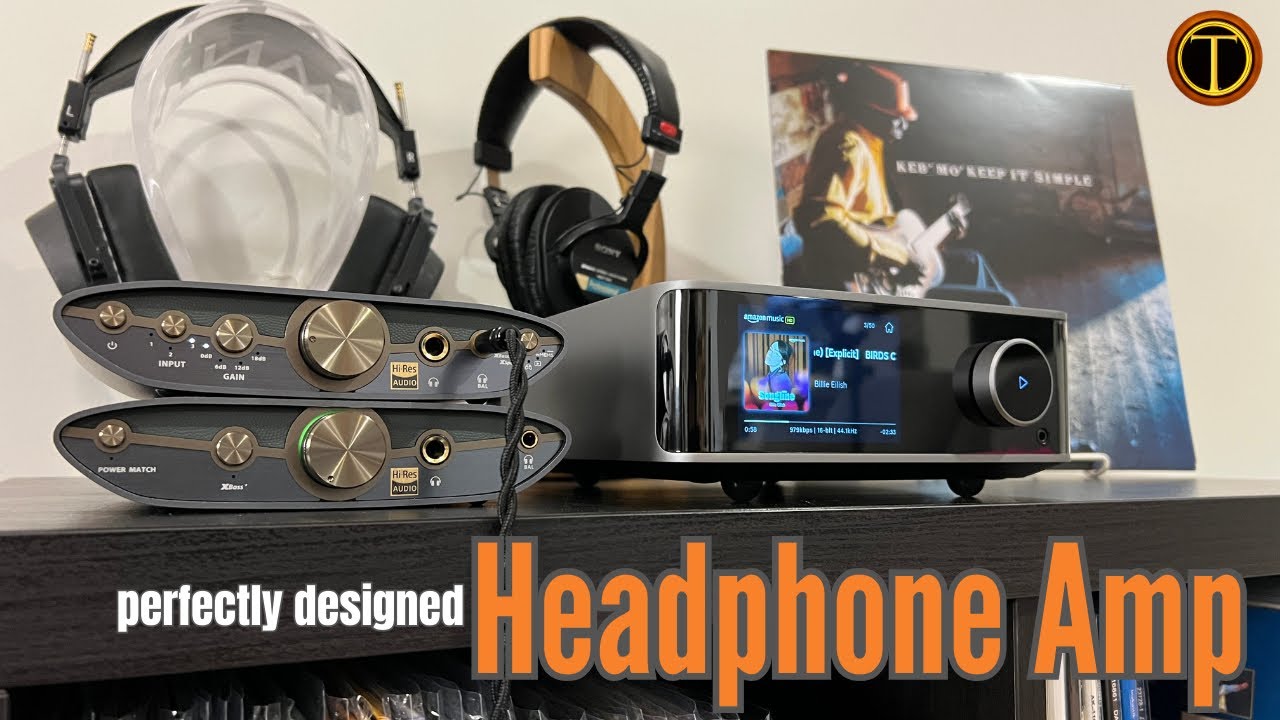
iFi Audio Zen CAN 3 Headphone Amp Review
Full Review

New Budget HIFI King is HERE! but it's Complicated...
Review
Pros
Four gain settings, so it stays quiet with sensitive in-ears and loud with 600 ohm cans 385 mW into 600 ohms on the balanced output, which is a lot at this price Class A output stage Current production, and stocked rather than sold throughCons
No DAC, so budget for a source The headroom is on the 4.4mm output: a balanced cable is a required purchase One 6.35mm jack, so no two-people-on-quarter-inch tracking The XBass and XSpace modes must stay off for mixingRNHP
Best Reference
Rupert Neve Designs RNHP
Price history
We have been recording this product's price at its dealers since July. Player members see the 90-day trend, what it has been at its highest and lowest, and whether today is actually a good day to buy it.
A single-purpose reference amplifier from Rupert Neve Designs, built around the headphone circuit from their 5060 console. Three switchable inputs, one job, and a deliberately uncolored presentation.
Key specifications
- Output impedance: 0.08 ohms at 1 kHz
- Frequency response: 10 Hz to 120 kHz, plus or minus 0.2 dB
- Inputs: XLR balanced, RCA, 3.5mm mini-jack, switch selectable
- Dimensions: 165 x 117 x 48 mm, external 24V supply
Why it made the list
This is the one on the list built specifically so you can trust what you hear. The near-zero output impedance matters more than a headline wattage number: it means the amp keeps the same frequency response whatever headphones you plug in, instead of the bass shifting as impedance changes. That is the whole job of a reference amp. It has no DAC, no tone controls and nothing else to sell you, which is why it costs what it costs, and why it is the pick if mix decisions are what you are paying for.
Deep Dive: Who It's Really For
The ideal buyer: An engineer making final decisions on headphones who needs to know that what they hear is the mix and not the amplifier.
Why output impedance beats wattage: A low output impedance keeps the frequency response the same whatever headphones you plug in. A powerful amp with a high output impedance changes the bass depending on the load, which is exactly what a reference amp must not do.
Real-world use: Three switchable inputs mean the interface, a phone and a second source stay connected, so checking a reference track is a switch rather than a re-patch. There is no DAC, so budget for the converter.
▶ Featured Review

Video Reviews & Tutorials

Rupert Neve Designs RNHP Headphone Amplifier Review Built by a legend, does it have legendary sound?
Full Review

Rupert Neve RNHP _(Z Reviews)_ S C I E N C E !
Review
Rupert Neve Designs RNHP Giveaway - Warren Huart: Produce Like A Pro
Review
Rupert Neve Headphone Amplifier - Unboxing The $500 Unique Amplifier
Unboxing
Pros
Genuinely neutral, no flattering tilt Very low output impedance, consistent across headphones Three input types including a 3.5mm for a phone Built to studio hardware standardsCons
Expensive for a single function No DAC, so budget for a source One headphone output onlyHP4
Best for Tracking
PreSonus HP4
Price history
We have been recording this product's price at its dealers since July. Player members see the 90-day trend, what it has been at its highest and lowest, and whether today is actually a good day to buy it.
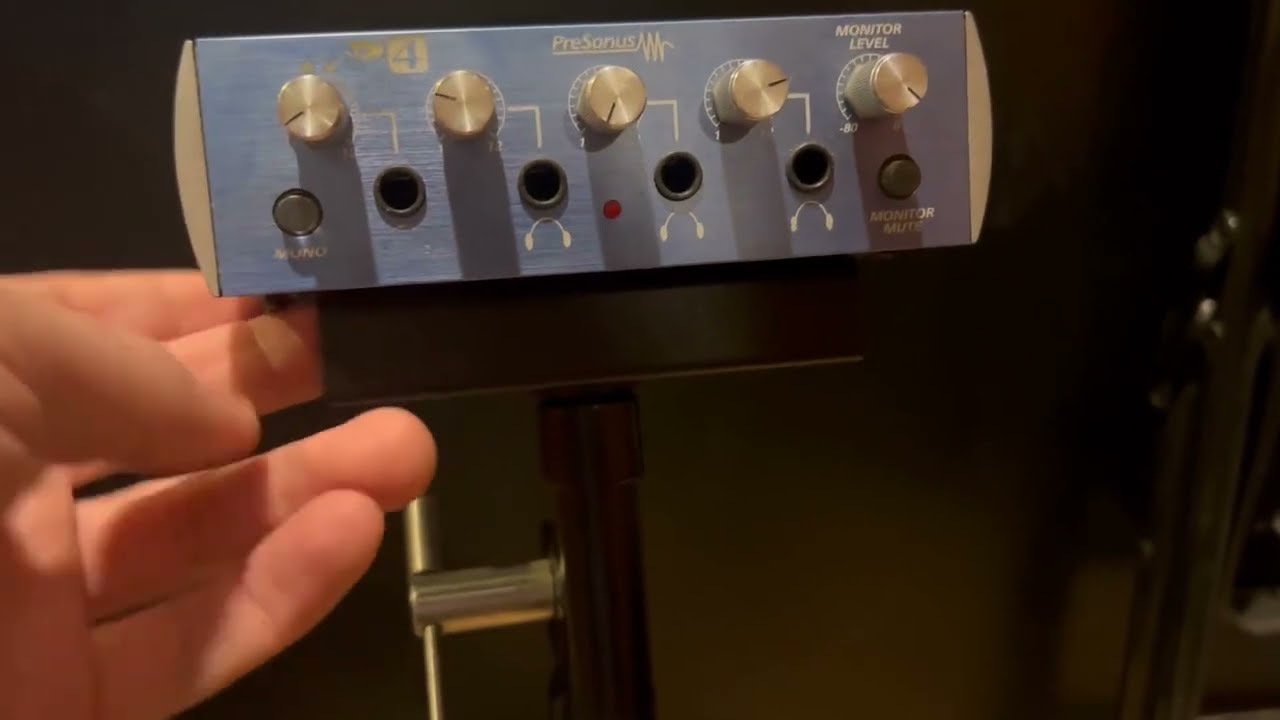
A four-channel headphone distribution amplifier. It takes one stereo feed and splits it to four headphone outputs, each with its own volume knob, which is the practical answer to tracking more than one person at a time.
Key specifications
- Output power: 130 mW per channel
- Outputs: four independently adjustable 6.35mm stereo
- Inputs: balanced 6.35mm left and right line in
- Also: balanced monitor output with mute, mono switch, 140 x 140 x 45 mm
Why it made the list
Every other amp here makes one pair of headphones sound better. This one solves a different problem, and it is the problem most home studios actually hit first: the moment a second person is in the room, a single headphone output stops working. Four independent volume knobs means the singer can have it loud without deafening you, and the mono switch is genuinely useful for checking a mix while tracking. It is not a reference-grade listening amp and does not try to be. Judge it as studio plumbing and it is excellent value.
Deep Dive: Who It's Really For
The ideal buyer: Anyone who records other people. The moment a second person is in the room, one headphone output stops being enough.
Distribution, not refinement: This makes four pairs of headphones work at once; it does not make one pair sound better. If you record alone, one of the other amps here is the better spend.
Real-world use: Four volume knobs means the singer can have it loud without deafening you. The mono switch is worth knowing about: checking a mix in mono while tracking catches phase problems between drum microphones early.
▶ Featured Review
Video Reviews & Tutorials
PreSonus HP4 4 Channel Compact Headphone Amplifier Review, Built like a tank for studio use
Full Review

Presonus HP4 Headphone Amp Review
Full Review

PreSonus HP4 Headphone Amplifier Unboxing & Review
Unboxing

✅ How To Use Presonus HP4 Compact Headphone Amplifier Review
Tutorial
Pros
Four independent headphone volumes Handles 32 to 600 ohm headphones Monitor output with mute, plus a mono check switch Metal chassis, built for a working studioCons
Not a critical-listening amp No DAC or digital input One shared source feeds all four outputs