MV7+
★ Top Pick
Shure MV7+
Price history
We have been recording this product's price at its dealers since July. Player members see the 90-day trend, what it has been at its highest and lowest, and whether today is actually a good day to buy it.
A dynamic broadcast microphone modeled on the legendary Shure SM7B, with USB-C and XLR outputs on the same body. Warm, close, radio-ready tone straight out of the box, and it rejects room noise like a champ. The MV7+ adds onboard processing the original did not have: a real-time denoiser, an auto level mode that rides your gain for you, and a digital popper stopper, all adjustable from the MOTIV Mix software or the touch panel on the mic itself.
Why it made the list
The MV7+ gives you the SM7B's rich, intimate "radio voice" at a fraction of the price, and because it's a dynamic mic, it forgives an untreated room in a way condensers don't. The dual USB-C and XLR output is still the killer feature: start plug-and-play over USB today, and the day you add an interface, the same mic plugs in over XLR. No upgrade tax. It replaced the original MV7, which Shure has wound down, so buy the plus and skip the hunt for old stock at inflated prices.
Deep Dive: Who It's Really For
The ideal buyer: A podcaster or streamer who wants the broadcast voice and is recording in a room they cannot treat.
Why the dual output matters: Start over USB today and plug the same microphone into an interface over XLR the day you get one. That removes the usual upgrade tax, where the first microphone becomes a drawer ornament.
Real-world use: It rewards close technique, so set the stand so you are a fist away rather than across the desk. The onboard denoiser and auto level are useful live and worth switching off when you are recording something you will edit.
▶ Featured Review

Video Reviews & Tutorials

Shure MV7+ Review / Test (vs. MV7, SM7b, SM58)
Full Review

Shure MV7+ Review: Almost Perfect Podcast Mic
Full Review
Shure MV7+ USB/XLR Podcast Microphone Review with MotivMix Demo
Sound Demo
Shure MV7+ REVIEW - The New KING of Microphones?
Full Review
Pros
SM7B-style broadcast tone USB-C and XLR on one body Excellent room rejection Onboard denoiser and auto level Built like a tankCons
Needs close mic technique, so it is unforgiving of a moving singer Dynamic = wants clean, high gain Priciest pick here by a wide marginYeti
Most Versatile
Logitech Yeti (formerly Blue Yeti)
Price history
We have been recording this product's price at its dealers since July. Player members see the 90-day trend, what it has been at its highest and lowest, and whether today is actually a good day to buy it.
The USB condenser that has defined the category for over a decade. Logitech has retired the Blue badge and now sells it as the Logitech Yeti: same tri-capsule microphone, new name on the box, so search for either. Four selectable polar patterns (cardioid, omni, bidirectional, and stereo) plus onboard gain, mute, and headphone monitoring. Zero setup: plug it in and you're recording in under a minute.
Why it made the list
Nothing beats the Yeti for grabbing a capable mic and being live in five minutes. The multi-pattern switch is genuinely useful: cardioid for a solo stream, bidirectional for a two-person interview across a desk, omni for a room. The tradeoff is inherent to condensers: it's sensitive, so it also hears your keyboard, your chair, and your untreated walls. Great in a quiet space, less forgiving in a live one.
Deep Dive: Who It's Really For
The ideal buyer: A streamer or interviewer who values being live in five minutes and wants pattern options for different setups.
The condenser trade: It hears everything, which is what makes it detailed and what makes it pick up your keyboard, your chair and your walls. In a quiet room it is excellent, in a live one it is the wrong tool and a dynamic is the fix.
Real-world use: Cardioid for solo work, bidirectional for two people across a desk, omni for a room. It has a large desk footprint, so plan the space before it arrives.
▶ Featured Review
Video Reviews & Tutorials
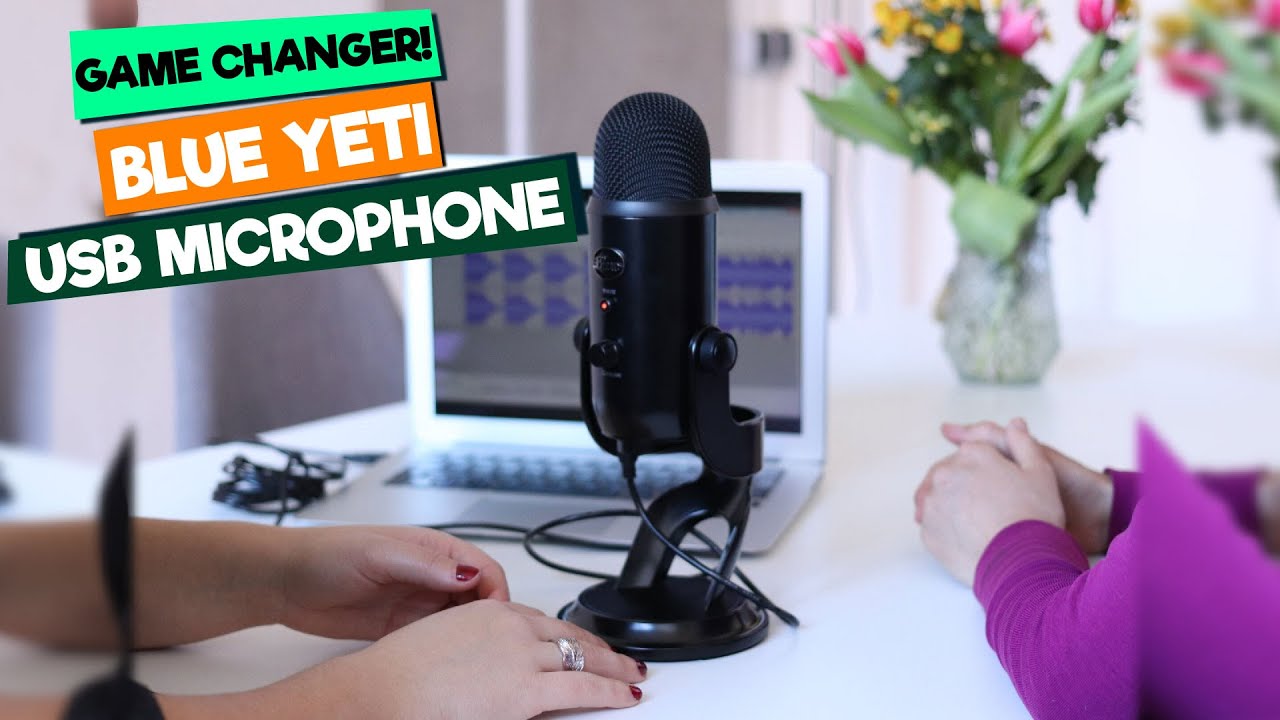
Blue Yeti USB Microphone Review: Is This STILL the Best for Podcasting, Gaming & Streaming in 2026?
Full Review
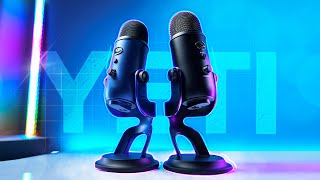
Is The Blue Yeti Microphone Really That Bad?
Review

A Pro Microphone For Everyone: The Yeti Studio / Blue Sona (A Real SM7B Alternative)
Review

Blue Yeti vs Samson Q2U -- Best USB Mics for Streaming, YouTube, Gaming, Podcasting & Vocals
Comparison
Pros
Four polar patterns True plug-and-play Onboard gain, mute, monitoring Huge accessory ecosystem AffordableCons
Condenser picks up room noise Can sound bright or sibilant Large desk footprintUSB-X
Best Value
Audio-Technica AT2020USB-X
Price history
We have been recording this product's price at its dealers since July. Player members see the 90-day trend, what it has been at its highest and lowest, and whether today is actually a good day to buy it.
The USB version of Audio-Technica's studio-standard AT2020. A cardioid condenser with a high-resolution converter, low self-noise, and low-latency headphone monitoring with a blend control so you can hear yourself without delay.
Why it made the list
If your priority is a clean, natural vocal recording rather than streaming features, the AT2020USB-X delivers the most studio-like sound in this roundup. The capsule is the same trusted design that has appeared on countless first records, and the low-latency monitoring makes tracking vocals genuinely comfortable. It does one thing (record a great cardioid vocal) and does it better than anything near the price.
Deep Dive: Who It's Really For
The ideal buyer: Someone recording singing or spoken word who wants a clean studio sound rather than streaming features.
One pattern, on purpose: No pattern switch means no wrong setting, and the capsule is the design that has appeared on countless first records. If you need to record two people facing each other, this is not the microphone.
Real-world use: The low-latency monitoring with a blend control is what makes tracking vocals comfortable, because you hear yourself without the delay that makes singing hard. It is USB only, so there is no XLR upgrade path later.
▶ Featured Review

Video Reviews & Tutorials

Audio Technica AT2020USB-X Review / Test (vs. NT-USB Mini, AT2020, AT2020USB+, & More)
Full Review

Audio-Technica AT2020usb-X Mic Review (vs Blue Yeti, Rode NT-USB Mini, AT2020, FiFine K678, MXL 990)
Comparison
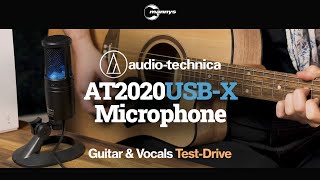
Trying out the new Audio-Technica AT2020USB-X Microphone (acoustic guitar / vocals)
Review

Audio Technica AT2020USB-X Review
Full Review
Pros
Clean, natural condenser tone Low-latency headphone monitoring Low self-noise Trusted AT2020 capsuleCons
Cardioid only, no pattern switch Condenser needs a quiet room USB only, no XLR pathQ2U
Best Budget
Samson Q2U
Price history
We have been recording this product's price at its dealers since July. Player members see the 90-day trend, what it has been at its highest and lowest, and whether today is actually a good day to buy it.
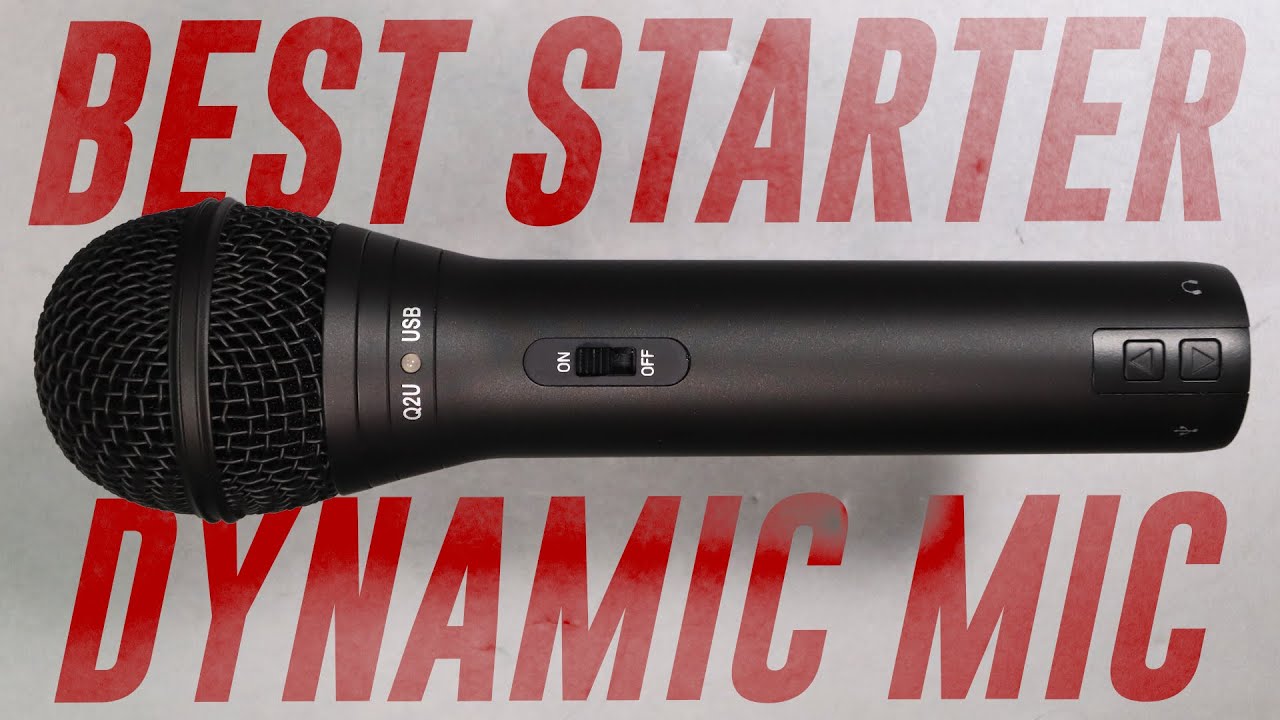
A handheld dynamic mic with USB and XLR outputs, a built-in headphone jack, and a desk stand and cables in the box, everything you need to start recording for around $99.
Why it made the list
The Q2U is the smartest first microphone you can buy. It's dynamic, so it shrugs off an echoey bedroom; it's USB, so it works today with zero extra gear; and it's XLR too, so the exact same mic plugs into an interface the day you outgrow USB, no wasted purchase. For spoken word it regularly punches above mics costing twice as much. When you're ready for that interface, our audio interfaces guide covers the next step.
Deep Dive: Who It's Really For
The ideal buyer: A beginner who wants to start today and not buy twice. Dynamic, cheap, and it comes with the stand and cables.
The upgrade path is the argument: USB now, XLR into an interface later, same microphone. Almost nothing else at this price gives you both, which is why it keeps beating microphones that cost more.
Real-world use: Get close and give it clean gain, because a dynamic microphone at arm's length sounds thin and hissy. For spoken word it punches well above its price. Our interface guide covers the XLR half when you get there.
▶ Featured Review
Video Reviews & Tutorials
Samson Q2u Review / Test (vs. XM8500, SM58, ATR2100, SM7b, U87)
Full Review

Samson Q2u USB/XLR Microphone Review / Test
Full Review

Best USB Microphone for YouTube Under $60 (Samson Q2U Review)
Full Review
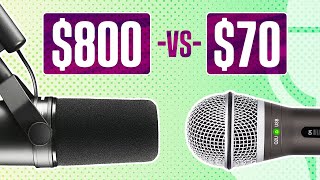
Can a Samson Q2U sound like a Shure SM7B? MIC BATTLE!
Review
Pros
Mini USB and XLR on one body Dynamic, forgiving in bad rooms Includes stand and cables Unbeatable priceCons
Basic, utilitarian build Less detail than a condenser Wants close technique and clean gain