MDR-7506
★ Top Pick
Sony MDR-7506
Price history
We have been recording this product's price at its dealers since July. Player members see the 90-day trend, what it has been at its highest and lowest, and whether today is actually a good day to buy it.
The industry standard that never dies. MDR-7506s have been hanging around broadcast, film, and studio sessions since 1991 for a reason: they're ruthlessly accurate in the mids and highs, built like a tank, and cost around $113. Every engineer has a pair. You should too.
Why it made the list
The MDR-7506 has survived every headphone trend since 1991 because it does one thing perfectly: tell you exactly what's in your mix. There's no bass hype, no treble sparkle designed to make music sound "exciting." What you hear is what's there. That honesty is why they've been the default pair hanging on the hook of every recording studio, broadcast booth, and film set for three decades. At $113, they cost less than dinner for two, and they'll outlast most of your gear.
Deep Dive: Who It's Really For
The ideal buyer: Any musician, engineer, or podcaster who needs a reliable reference. The MDR-7506 works for everyone because its honesty is universal. If you only own one pair of studio headphones, this is the one.
The 10kHz thing: There's a subtle peak around 10kHz in the MDR-7506's frequency response. Experienced engineers account for this; it means cymbal detail and breath in vocals gets slightly emphasized. Once you know, you mix around it automatically. It's not a flaw; it's a known quantity you learn to trust.
Real-world use: On any professional set you've ever been on (film, TV, live broadcast, recording studio), the cable hanging off someone's neck is almost certainly a 7506. That ubiquity is its superpower: mixes made on 7506s translate everywhere because the headphone is universal context. When a YouTube mix sounds the same on your friend's speaker system, the 7506 probably had something to do with it.
▶ Featured Review

Video Reviews & Tutorials

Sony MDR 7506 Headphones Review | Still a Cult Classic?
Full Review

Sony MDR-7506 Review: This is why these are still used after 30 years...
Review

Sony MDR 7506 Studio Headphone Review - Does the Studio Standard live up to the Hype?
Review
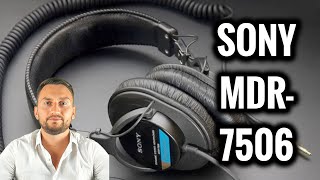
Sony MDR-7506 Review - The Best Headphones
Review

Sony MDR-7506 Headphones Review - There's A Reason EVERYONE Uses These
Review
Pros
Industry-proven flat response Extremely durable over years Replaceable ear cups + cable Folds flat for portabilityCons
Subtle 10kHz peak, learn your cans Ear cups flatten over timeBest Mid-Range
Audio-Technica ATH-M50x
Price history
We have been recording this product's price at its dealers since July. Player members see the 90-day trend, what it has been at its highest and lowest, and whether today is actually a good day to buy it.
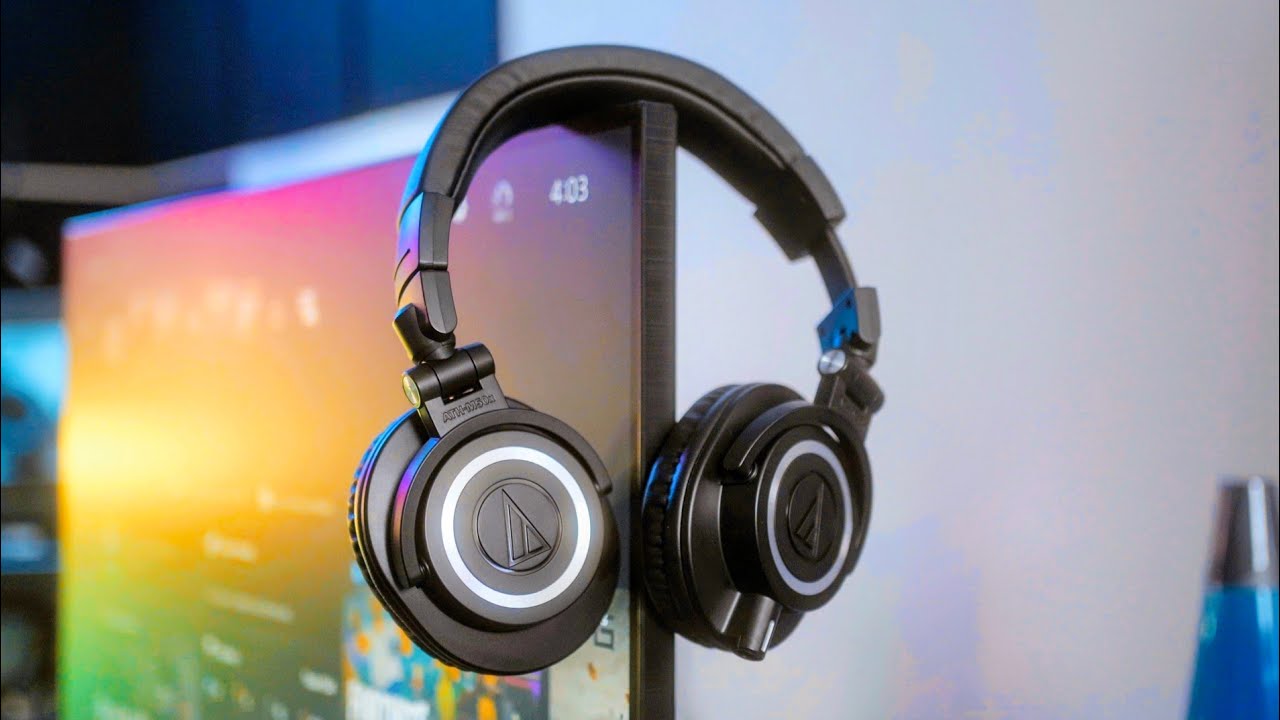
If you want more bass extension than the Sony and more comfort for long sessions, the M50x is the answer. It has a punchy, slightly colored response that still translates well for mixing, especially for bass-forward genres. The detachable cable and three included cable types make it more practical than most in this range.
Why it made the list
The M50x is the headphone for producers who need to feel the bass while still getting an honest mix picture. Its low-end extension goes deeper than the Sony 7506, which makes it better suited for electronic music, hip-hop, and anything bass-heavy. The trade-off is a slightly colored response; you'll need to learn how the M50x translates to speakers. But for genres where sub-bass matters, mixing on headphones that roll off at 60Hz sets you up to fail. The M50x doesn't.
Deep Dive: Who It's Really For
The ideal buyer: A producer of electronic, hip-hop, pop, or trap who mixes mostly in headphones. You need to hear sub-bass clearly. The M50x delivers it without the artificial boost of consumer headphones.
ATH-M50x vs Sony MDR-7506: The Sony is flatter in the low end, better for acoustic recordings, classical, jazz, country. The M50x has more extended low-end, making it better for bass-heavy production. Both are valid; the right choice depends on what you're making.
Comfort in long sessions: The earcups rotate 90 degrees for one-ear monitoring, which DJs appreciate. The headband has good clamping force that stays secure without becoming painful over hours. If you're regularly doing 4+ hour sessions, the M50x is notably more comfortable than the Sony.
▶ Featured Review
Video Reviews & Tutorials

Audio Technica ATH-M50X Review ~ Still Legendary in 2025?
Full Review

The Jack Of All Trades | 2023 Audio Technica ATH-M50x Review
Review

Audio Technica ATH M50x Review - Studio Headphones Review
Review

Audio Technica ATH-M50X Review!
Review

Audio-Technica ATH-M50X Headphones - REVIEWED 🎧
Review
Pros
Extended bass for electronic music Exceptional build quality Three detachable cables includedCons
Slightly hyped low end, learn your cans Clamps fairly hard out of the boxFlattest Response
Beyerdynamic DT 770 Pro (80 Ohm)
Price history
We have been recording this product's price at its dealers since July. Player members see the 90-day trend, what it has been at its highest and lowest, and whether today is actually a good day to buy it.
German engineering, closed-back isolation, and a lifted treble that many engineers tame with a shelf, on a closed back that isolates properly. The DT 770 Pro 80 Ohm version is the sweet spot for home studio use: flat enough for accurate mixing, comfortable enough for 8-hour sessions, isolated enough for vocalist tracking.
Why it made the list
The DT 770 Pro sits between the Sony's clinical accuracy and the M50x's bass-forward sound. It has extended low-end and airy highs with a comparatively flat midrange, the kind of response that makes it usable for both tracking vocalists (closed-back isolation prevents bleed) and mixing reference work. Build quality is exceptional: velour earpads and a metal headband that will outlast multiple pairs of cheaper headphones.
Deep Dive: Who It's Really For
The ideal buyer: A recording engineer who does both tracking and mixing sessions. The closed-back design isolates the vocalist from bleed (critical when recording through headphones), and the accurate frequency response makes it reliable for mixing checks.
Which impedance? The 80 Ohm version is for home studio and interface use. The 250 Ohm version requires a headphone amp to drive properly. If you're plugging into a Scarlett or similar interface, get the 80 Ohm. If you have a dedicated headphone amp, the 250 Ohm version has slightly better high-frequency detail.
Real-world use: Vocalists love the DT 770 Pro because the thick velour earcups are comfortable for long takes and the closed-back design keeps the click track completely isolated. Engineers appreciate that the same pair works for mix referencing; you're not switching between three different headphone pairs for different tasks.
▶ Featured Review

Video Reviews & Tutorials

The BEST Home Studio Headphones? Beyerdynamic DT 770 Pro Review
Full Review

Beyerdynamic DT 770 PRO X vs DT 770 PRO Headphones
Comparison

Beyerdynamic DT 770 Pro X - Best Choice for Music Producers?
Review
Pros
Closed-back isolation without the boxy midrange of cheap closed cans Closed-back, great for tracking vocalists Velour earpads, premium comfort Made in Germany, exceptional build qualityCons
Non-detachable cable (entry models) Slightly V-shaped at extremesHD 400 Pro
Open-Back Option
Sennheiser HD 400 Pro
Price history
We have been recording this product's price at its dealers since July. Player members see the 90-day trend, what it has been at its highest and lowest, and whether today is actually a good day to buy it.
The only open-back recommendation on this list for good reason: open-back headphones have a wider, more speaker-like soundstage that makes stereo imaging and reverb decisions more accurate. The HD 400 Pro brings Sennheiser's legendary transducer tuning to an affordable price point designed specifically for mix engineers.
Why it made the list
Most of this list is closed-back because closed-back headphones are more versatile. But if your entire workflow is mixing (not tracking), open-back is almost always the better choice. The HD 400 PRO uses the 120-ohm transducer it shares with the HD 560S rather than the HD 600's 300-ohm driver (professional headphones used in mastering facilities worldwide) at roughly half the price. The soundstage is wide and natural, making stereo panning decisions feel accurate in a way closed-back headphones can't fully replicate.
Deep Dive: Who It's Really For
The ideal buyer: A dedicated mix engineer who works in a quiet room and needs accurate stereo imaging. You're not tracking vocalists (open-back bleeds into mics). You're mixing after the recording is done. In that context, open-back is superior.
Open-back vs closed-back for mixing: Closed-back creates an "in your head" stereo image, a trait that sometimes causes over-panning. Open-back headphones create a larger soundstage that more closely mimics speakers, making panning decisions translate better to playback systems. If you're frequently asked "why does your mix sound so wide?", switching to open-back might fix it.
Real-world use: The HD 400 Pro comes with two cables (one coiled, one straight) and velour earpads that breathe well during long sessions. The open-back design also means your ears stay cooler, which matters during 6-hour mixing marathons. The trade-off: never use these while your partner is sleeping.
▶ Featured Review
Video Reviews & Tutorials

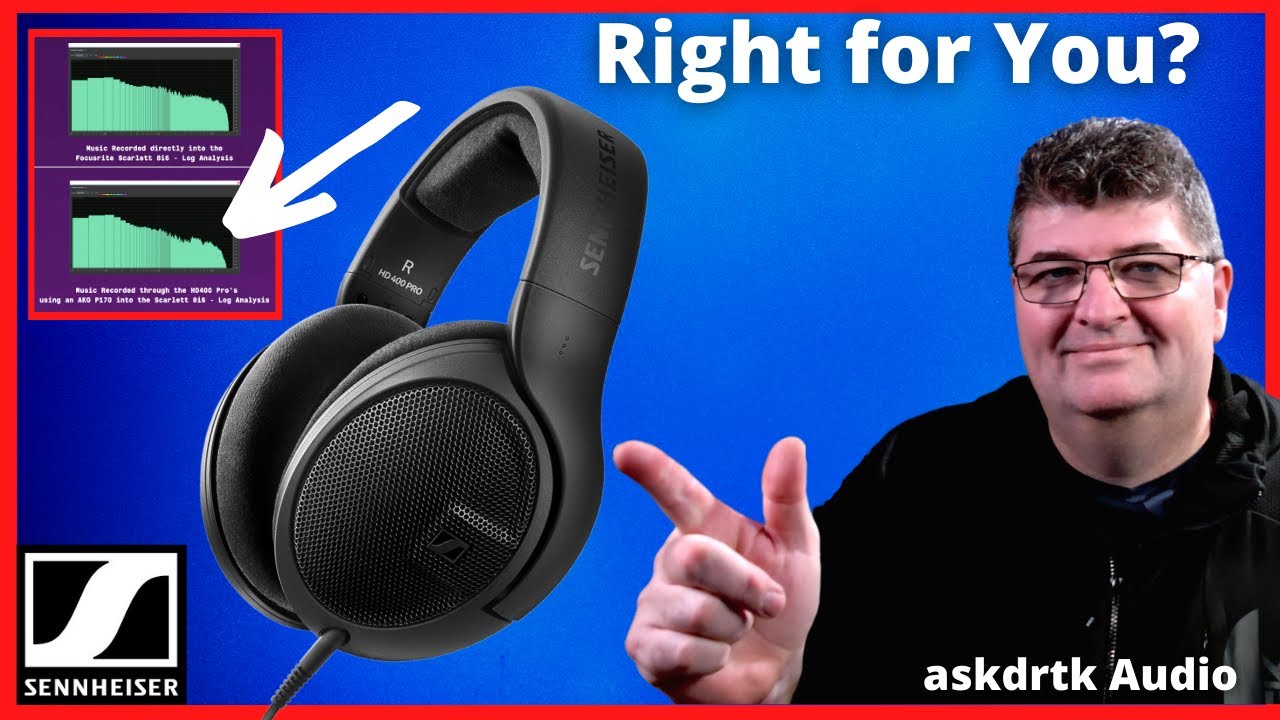
Sennheiser HD 400 Pro - Detailed Review & Audio Tests
Full Review
Sennheiser HD 400 Pro Headphones Review
Review
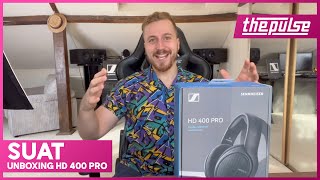
Sennheiser HD 400 Pro Review | @SUATISM
Review
Pros
Open-back soundstage for accurate mixing The 120-ohm transducer it shares with the HD 560S Swappable earpads + two cables includedCons
Cannot be used for tracking, bleeds into mics Not suitable for noisy environmentsSR850
Budget Pick
Samson SR850
Price history
We have been recording this product's price at its dealers since July. Player members see the 90-day trend, what it has been at its highest and lowest, and whether today is actually a good day to buy it.
At $37, the Samson SR850 is the most accessible semi-open studio headphone on the market. It's not going to replace a pair of MDR-7506s, but it will put a reasonably accurate reference on your head for the cost of a nice meal. For absolute beginners or students on a tight budget, it's the honest entry point.
Why it made the list
The SR850 is here for one reason: the price is real and the performance is better than it should be at $37. The semi-open design gives it a wider soundstage than typical closed-back budget phones, and the frequency response is relatively flat compared to consumer-oriented headphones in the same tier. No, it doesn't compete with a MDR-7506. But if $40 is your entire budget, this is the right call.
Deep Dive: Who It's Really For
The ideal buyer: A student or absolute beginner who can only spend $40 on headphones. Also: a backup pair for your studio so clients have something to monitor with. At this price, buying two pairs still costs less than one pair of MDR-7506s.
How it compares to the competition at $40: Most $40 headphones are consumer-tuned with hyped bass and elevated treble. The SR850's semi-open design naturally produces a more neutral response. It's still colored compared to pro headphones, but notably more honest than a $40 Beats or Sony consumer pair.
The ceiling: If you can save up roughly $75 more, the MDR-7506 is a fundamentally better investment that will serve you for a decade. The SR850 is genuinely good for its price, but plan to upgrade when your budget allows.
▶ Featured Review
Video Reviews & Tutorials

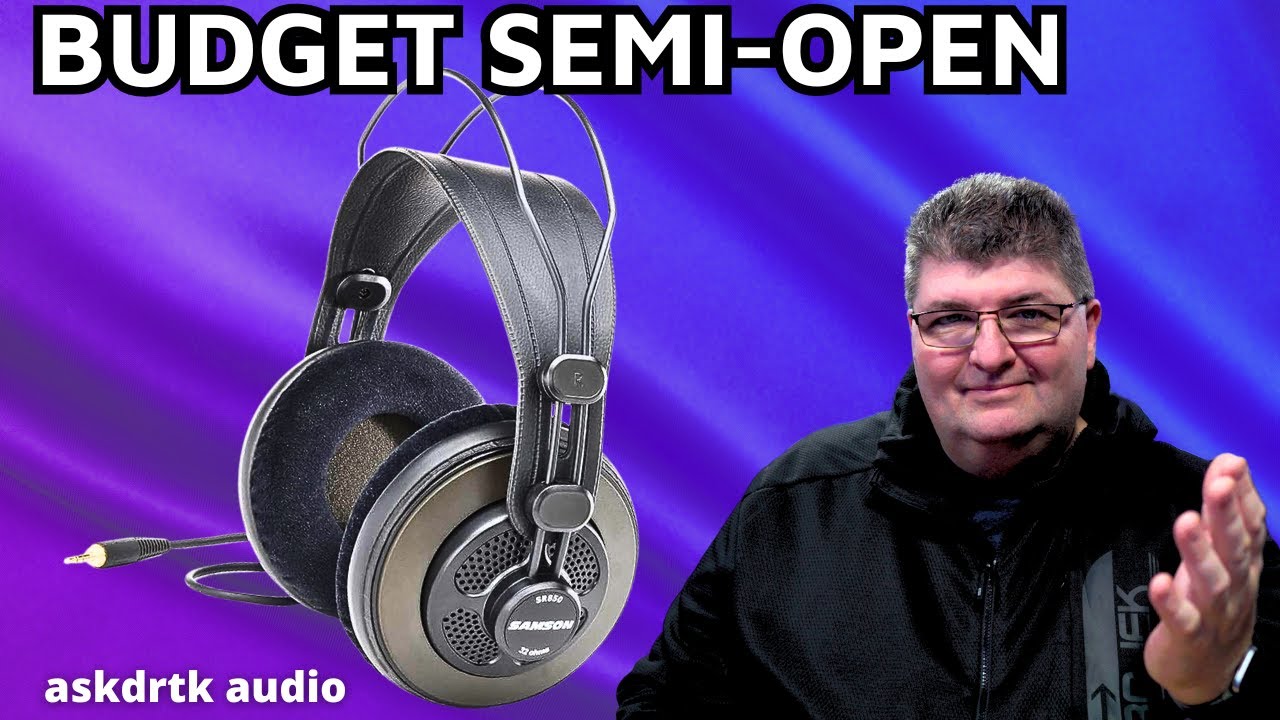
Samson SR850 Headphone Review - What Does $40 Get You?
Full Review

Samson SR850 Review- Best Cheap Reference Headphones
Review
Honest Review: Samson Headphones Review SR850 Semi-Open Studio Reference Headphones... good or nah?
Review
Pros
Incredible value at $37 Semi-open for wider soundstage Relatively flat for the price tierCons
Build quality is not professional grade Upgrade-worthy as budget allowsHD
Open-Back Alternative
Sennheiser HD 600
Price history
We have been recording this product's price at its dealers since July. Player members see the 90-day trend, what it has been at its highest and lowest, and whether today is actually a good day to buy it.
Open-back creates a wider, more natural soundstage. HD 600s are the headphone equivalent of mixing on good speakers. $350.
Why it made the list
Open-back headphones create a wider soundstage because sound escapes through the back. Panning and reverb decisions are easier to judge. Balanced frequency response, excellent mids.
Deep Dive: Who It's Really For
The ideal buyer: Someone mixing in a quiet room who wants panning and reverb decisions to be easy rather than a guess.
Open-back means leakage: Sound escapes both ways, so anyone near you hears your mix and the microphone will too. That rules them out for tracking and makes them excellent for everything after it.
Real-world use: The wide soundstage is what makes depth judgements translate to speakers. Check the drive requirements against your interface, since a headphone amp is a common companion purchase: our amp guide covers it.
▶ Featured Review
Video Reviews & Tutorials

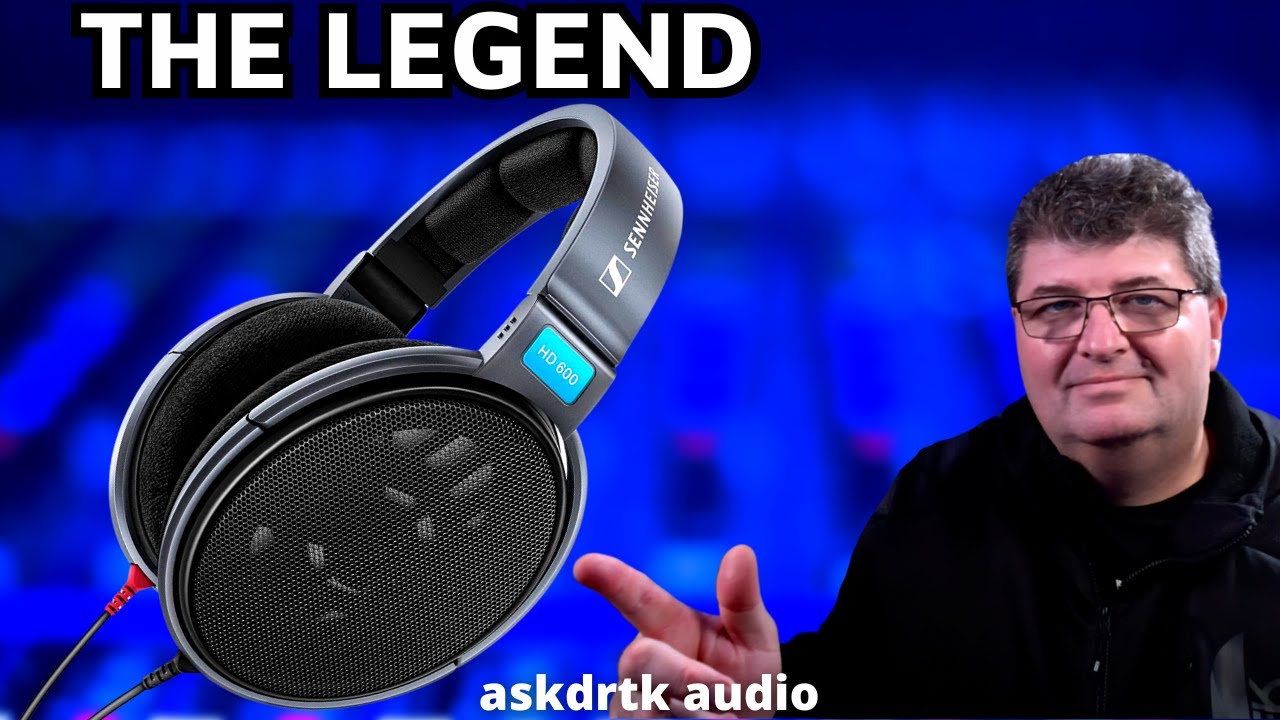
Sennheiser HD600 Headphone Review - Do They Hold Up to Their Reputation in 2023?
Full Review

The HD 600 is STILL one of the best headphones.
Review

The NEW HD600!!
Review

Z Review - Sennheiser HD600 vs HD650 vs HD700
Comparison
Pros
Wider soundstage than closed-backs Balanced full spectrum Lightweight Industry-provenCons
Sound bleeds (people hear what you're playing) Requires quiet room Not great for tracking