SM7B
☆ Top Pick
Shure SM7B
Price history
We have been recording this product's price at its dealers since July. Player members see the 90-day trend, what it has been at its highest and lowest, and whether today is actually a good day to buy it.
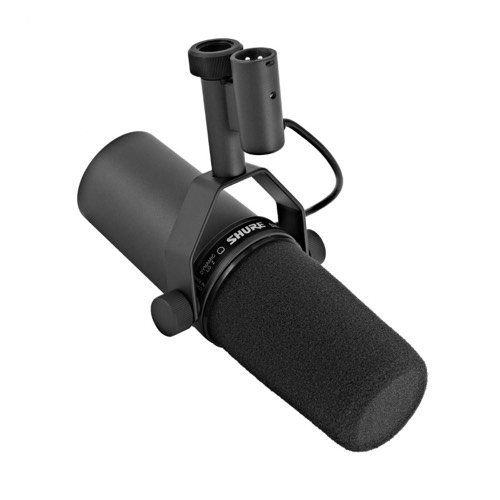
The SM7B is the microphone you have already heard, whether or not you know it. It is a cardioid dynamic with a heavy internal shock mount, a pop filter that genuinely works, and switchable bass rolloff and midrange presence. What makes it the home studio default is not really the tone: it is the rejection. It hears the six inches in front of it and very little else, which is exactly what you want when the room behind you is a bedroom. At $439 it is not cheap, and it comes with a catch worth knowing before you buy.
Why it made the list
Almost every complaint about the SM7B is really a complaint about gain. It is a famously quiet microphone and it wants roughly 60 dB of clean preamp gain to sit at a healthy level. Give it that and it is superb. Give it a budget interface running flat out and you get hiss, which is why so many people bolt an inline booster onto it. Buy the microphone and the gain together, or you will end up blaming a microphone that was never the problem.
Deep Dive: Who It's Really For
The ideal buyer: Anyone recording vocals, rap, voiceover or podcasts in an untreated room. Its off-axis rejection quietly does work that acoustic panels would otherwise have to do.
The honest caveat: It needs a lot of clean gain. Budget for an inline preamp or an interface with genuinely quiet preamps, and treat that as part of the price rather than an upgrade you might get around to.
Worth knowing before you buy: There is an active version, the SM7dB, with the preamp built in. It costs more than a bare SM7B but usually less than an SM7B plus a separate booster, so if you already know you are short on gain, price both before you commit.
▶ Featured Review
Video Reviews & Tutorials
Shure SM7B Microphone Review: Worth it?
Full Review

Shure SM7B Review: Is It Worth The Price For Content Creators?
Review
Shure SM7b Mic Review / Test (vs. RE20, Procaster, XM8500, Ethos, U87)
Long-term Review
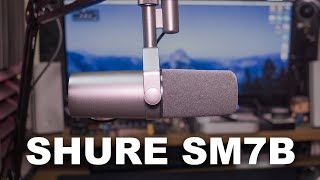
Shure SM7B Mic Review / Test
Full Review
Pros
Rejects room sound better than almost anything near the price Pop filter and shock mount built in, no extras needed Bass rolloff and presence switches suit most voices Effectively indestructible, and holds its resale valueCons
Wants about 60 dB of clean gain, which many interfaces lack The real cost includes a booster or a better preamp Dark by design, so a dull voice can end up duller Heavy enough to droop on a flimsy boom arm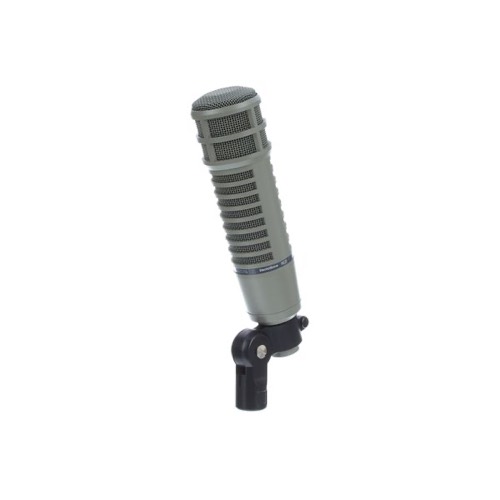
RE20
Best for Voice
Electro-Voice RE20
Price history
We have been recording this product's price at its dealers since July. Player members see the 90-day trend, what it has been at its highest and lowest, and whether today is actually a good day to buy it.
The RE20 is the other broadcast standard, and it solves a problem the SM7B does not. Its Variable-D design runs a series of ports down the body so that proximity effect, the bass boost you get as you close in on a directional microphone, stays roughly constant as you move. In practice you can lean in and sit back without your tone swelling and thinning between sentences. At $449 it is the priciest pick here, and the most consistent one.
Why it made the list
If you cannot hold still, buy this instead of the SM7B. Presenters who gesture, singers who drift, anyone tracking a long voiceover session: the RE20 forgives all of it. It is also a genuinely excellent kick drum microphone, which sounds like a strange thing to say about a broadcast mic and is completely true. That second job is what justifies the price in a studio that records people and drums in the same week.
Deep Dive: Who It's Really For
The ideal buyer: Voiceover artists, podcasters who move while they talk, and anyone who wants one microphone that also handles kick drum and bass cabs properly.
The honest caveat: It is big and heavy, and it needs a serious stand or a sturdy arm. It also wants healthy gain, though noticeably less than the SM7B does.
Worth knowing before you buy: The 309A shock mount is a separate purchase and the microphone ships with a rigid stand adapter instead. If it is going on a desk that also holds a keyboard, budget for the shock mount.
▶ Featured Review
Video Reviews & Tutorials

Electro-Voice RE20 Dynamic Broadcast Microphone Review / Test
Full Review
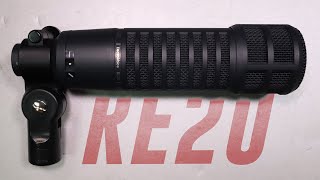
Electro Voice RE20 Review / Test (vs. SM7b, Procaster, Ethos)
Comparison
BEST VOICEOVER MIC? | Electro-Voice RE20 Microphone Review
Full Review

Shure SM7B vs Electro-Voice RE20 - Battle of the Endgame Microphones! (Best Podcasting Mic Review)
Comparison
Pros
Variable-D keeps your tone steady as you move Superb on kick drum and bass cabs as well as voice Internal pop filter and element shock mounting Bass rolloff switch for close workCons
The most expensive microphone on this page Large and heavy, so it needs a solid stand Shock mount is sold separately Voiced flat, so it flatters less than the SM7B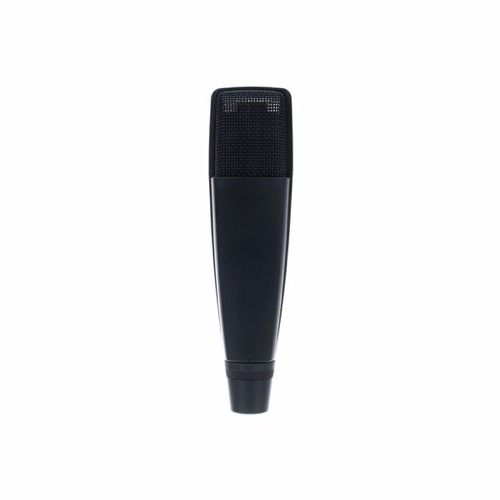
MD 421-II
Best All-Rounder
Sennheiser MD 421-II
Price history
We have been recording this product's price at its dealers since July. Player members see the 90-day trend, what it has been at its highest and lowest, and whether today is actually a good day to buy it.
The MD 421-II is a large-diaphragm dynamic that has been on hit records for decades, and it is the most genuinely versatile microphone here. Its party trick is a five-position bass rolloff on the base of the body, marked M through S, which lets you dial out low end at the source instead of fixing it later. Sennheiser quotes a 30 Hz to 17 kHz response, which is wide for a dynamic, and it is why the 421 gets described as condenser-like. It sits at $449.
Why it made the list
If you only record voices, the SM7B or the RE20 will serve you better. If you record a band, this is the one to buy first. It is the standard rack tom microphone, it is a first-call guitar cab microphone, it handles brass without complaint, and it makes thin voices sound substantial. Buying one microphone that does four jobs well is a better use of $449 than buying one that does a single job perfectly.
Deep Dive: Who It's Really For
The ideal buyer: Anyone recording real instruments. Drummers, guitarists and horn players get the most out of it, and the five-position rolloff means it adapts to the source instead of asking you to fix it in the mix.
The honest caveat: The clip is the well-known weak point. It is a plastic latch that grips the microphone's tapered body, and it wears out and gets brittle with heavy use. The MZS 421 shock mount is the usual fix and it is another purchase.
Worth knowing before you buy: Sennheiser also sells the MD 421 Kompakt, a smaller and cheaper take on the same idea. It is a different microphone with a different voicing, not a discounted 421-II, so audition it on its own terms rather than as a substitute.
▶ Featured Review
Video Reviews & Tutorials
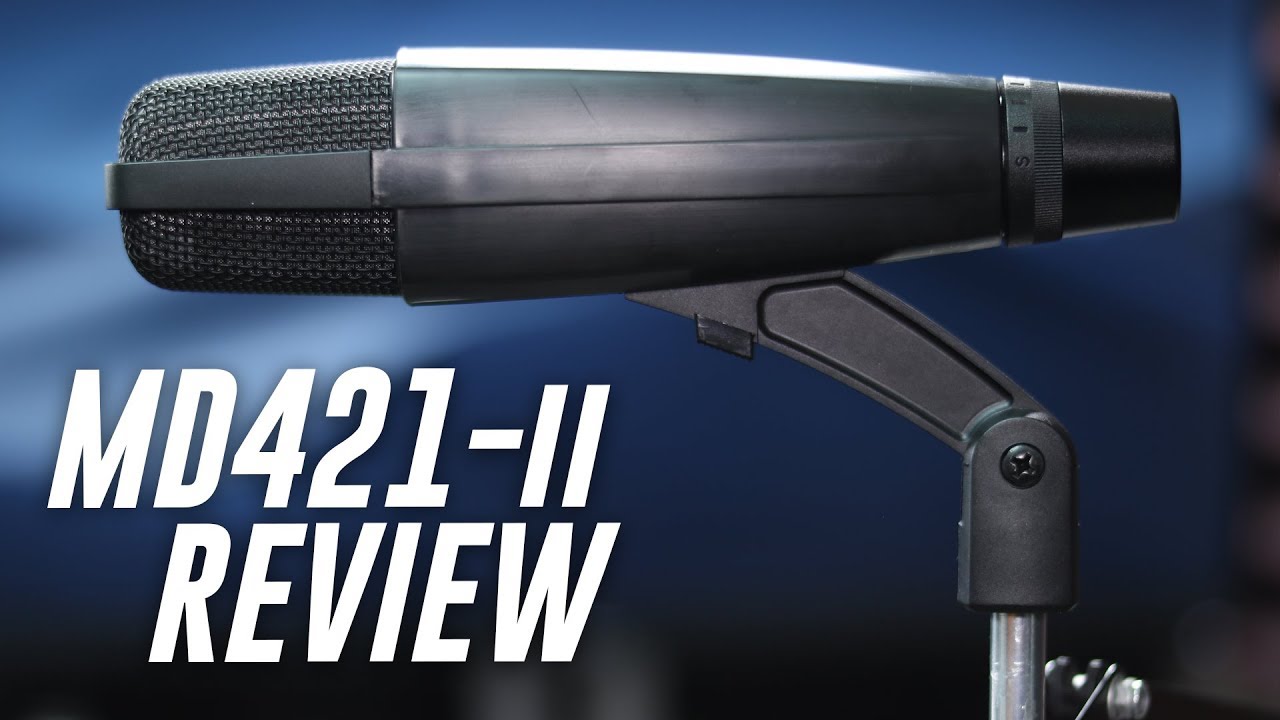
Sennheiser MD421 II Dynamic Mic Review / Test
Full Review
VK Shootout: Sennheiser MD 421 II vs MD 441-U
Comparison
Tom Mic Shootout: Cad M179 vs Sennheiser MD421
Comparison
MD421 II vs MD421 Kompakt | Guitar Cabinet Comparison
Comparison
Pros
Five-position bass rolloff, set at the source The standard tom microphone for good reason Wide 30 Hz to 17 kHz response for a dynamic Handles very high sound pressure without complaintCons
The plastic mic clip is a known weak point Shock mount is an extra purchase Bulky, so it is awkward in a tight drum kit Less specialised for voice than the other two at this price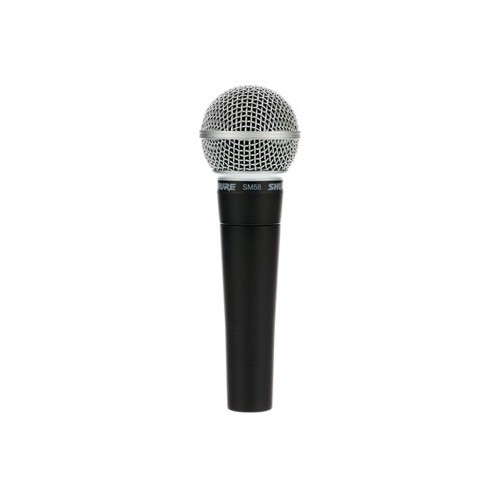
SM58
Best Budget
Shure SM58
Price history
We have been recording this product's price at its dealers since July. Player members see the 90-day trend, what it has been at its highest and lowest, and whether today is actually a good day to buy it.
The SM58 has been in production since 1966 and it is still the correct answer to "what is my first microphone." It is a cardioid dynamic with a spherical steel grille and a built-in pop filter, voiced with a midrange presence lift that helps a vocal cut. Shure quotes 50 Hz to 15 kHz, which is narrower than everything else here, and that limit is part of why it sounds the way it does. At $109 nothing else offers this much certainty.
Why it made the list
This is on the list as an honest budget answer, not as a courtesy. An SM58 through a decent preamp beats an expensive microphone through a bad one, and it will survive being dropped down a stairwell. It is the microphone to buy when you are not yet sure what you need, because it will still be useful as a backup, a drum mic or a guitar cab mic after you have bought something fancier.
Deep Dive: Who It's Really For
The ideal buyer: First-time buyers, anyone who also plays live, and anyone who wants a microphone they never have to worry about. It is also the sensible way to test whether you actually enjoy recording before spending four times as much.
The honest caveat: It is not as detailed as the others and the top end rolls off early, so it will not give you the airy modern vocal sound on its own. It is also handheld by design, so you need a stand and, ideally, a separate pop filter for close work.
Worth knowing before you buy: The SM58-LC is the version without a cable, and it is the one you want unless you specifically need the bundled lead. There is also an SM58S with an on/off switch, which costs a little more and is worth avoiding in a studio where a knocked switch means a lost take.
▶ Featured Review
Video Reviews & Tutorials
Shure SM58 Dynamic Mic REVIEW / TEST
Full Review
Shure SM58 Dynamic Mic Review / Test
Full Review
SM58 vs Shure Beta 58a | Which Should You Buy?
Comparison
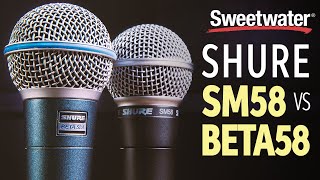
Shure SM58 vs Beta 58 – What's the Difference? 🎤
Comparison
Pros
The cheapest genuinely professional microphone you can buy Almost unbreakable, and repairable when it does fail Presence lift helps a vocal cut without EQ Stays useful as a backup once you upgradeCons
Top end rolls off early at 15 kHz Less detailed than everything else here Handheld design, so a stand and pop filter are extra The presence lift does not suit every voice