5th Gen
★ Top Pick
Rode NT1 5th Gen
Price history
We have been recording this product's price at its dealers since July. Player members see the 90-day trend, what it has been at its highest and lowest, and whether today is actually a good day to buy it.
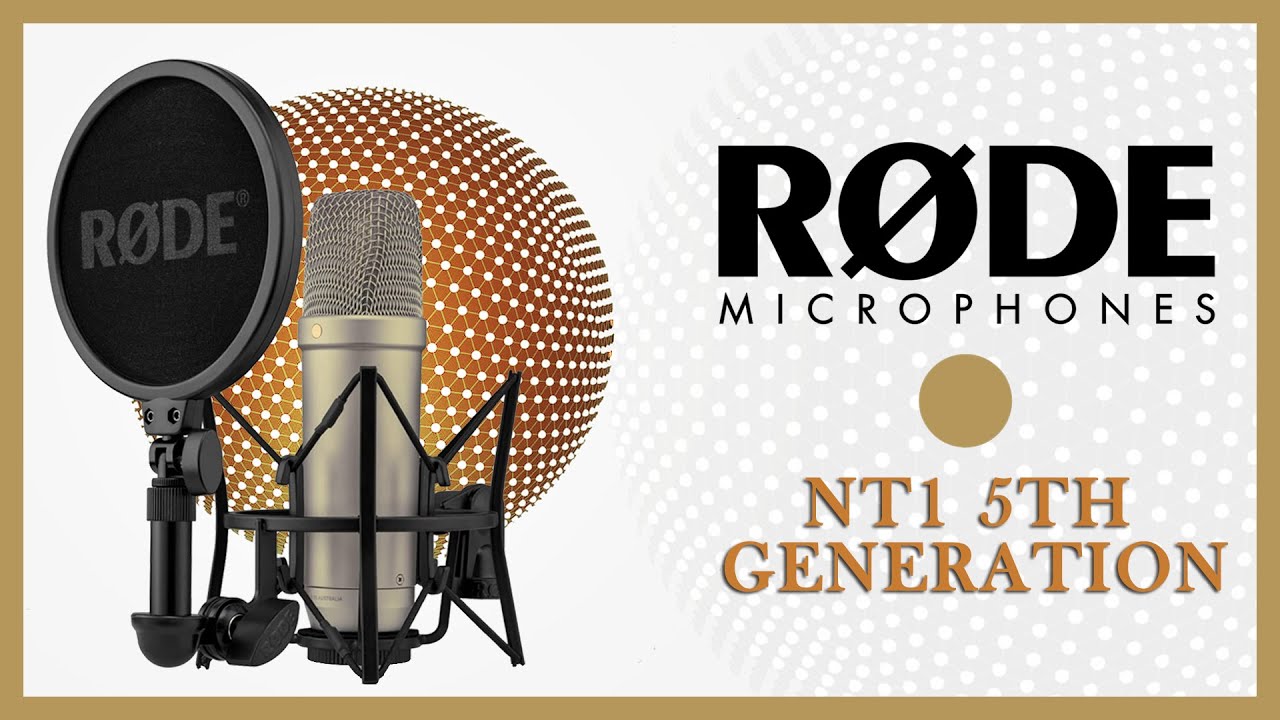
The NT1 5th Gen is a revelation. Rode redesigned this classic from scratch; the self-noise is now just 4 dBA, making it one of the quietest studio mics ever made. Add dual connectivity (XLR and USB simultaneously), a built-in DSP with 32-bit float recording over USB, and you have a mic that handles everything from professional vocal sessions to streaming without breaking a sweat.
Why it made the list
The NT1 5th Gen earns the top spot because it eliminates the biggest headache in home recording: noise. With 4 dBA of self-noise, you can record whispered vocals, quiet acoustic guitars, and ambient sounds without fighting the hiss that plagues cheaper condensers. The dual XLR/USB connectivity means it grows with you: start recording directly to your laptop via USB, then switch to XLR through your audio interface when you upgrade your signal chain. The 32-bit float recording over USB is insurance against clipping: even if your levels are wrong, the file captures the full dynamic range. It's the mic you buy once and never think about replacing.
Deep Dive: Who It's Really For
The ideal buyer: A vocalist or content creator who wants one mic that handles professional recording, podcasting, and streaming. The dual connectivity means you don't need separate mics for different workflows: plug in XLR for studio sessions, switch to USB for quick voice-overs.
NT1 5th Gen vs the original NT1-A: The 5th Gen is a complete redesign, not just an update. The capsule is new, the self-noise dropped from 5 dBA to 4 dBA, the body is machined (not cast), and USB was added. The sound profile is slightly warmer and more natural than the NT1-A's brighter character. If you liked the NT1-A, you'll love this.
Real-world use: Tracking vocals through the NT1 5th Gen in a treated home studio produces recordings that genuinely compete with mics costing $1,000+. The extremely low noise floor means you can apply heavy compression in your mix without bringing up room noise; the signal stays clean all the way through the chain.
▶ Featured Review
Video Reviews & Tutorials
RODE NT1 5th Generation Microphone Test/Review
Full Review
This Microphone will CHANGE EVERYTHING!!! | Rode NT1 5th Gen Review
Review

Rode NT1 5th Gen Full Review & Sound Comparisons | Rode NT1 5TH Honest Review
Review
Pros
World-class 4 dBA self-noise Dual XLR + USB-C connectivity 32-bit float recording over USB 10-year warrantyCons
Priced above the usual first-mic budget Large diaphragm picks up room reflectionsSM7B
Best Dynamic Mic
Shure SM7B
Price history
We have been recording this product's price at its dealers since July. Player members see the 90-day trend, what it has been at its highest and lowest, and whether today is actually a good day to buy it.
The mic that recorded "Thriller." The SM7B is a broadcast-grade dynamic mic with a smooth, warm frequency response that flatters every voice. Its tight cardioid pattern and electromagnetic shielding make it the go-to choice for untreated rooms; it rejects background noise and room reflections better than any condenser on this list.
Why it made the list
The SM7B solves the biggest problem in home recording: bad rooms. Where condenser mics hear everything (HVAC noise, traffic, room reflections), the SM7B's dynamic capsule and tight pickup pattern focus on what's directly in front of it and reject the rest. That's why it's become the default mic for podcasters, streamers, and home vocalists who can't (or don't want to) treat their rooms. The trade-off is sensitivity: you'll need a good preamp with at least 60dB of clean gain, or a Cloudlifter inline booster. But once you have the gain, the SM7B delivers vocals with a warm, broadcast-quality presence that sits perfectly in a mix.
Deep Dive: Who It's Really For
The ideal buyer: A vocalist or content creator who records in an untreated room and wants professional results without acoustic treatment. Also ideal for anyone with a deeper voice: the SM7B's proximity effect adds warmth and body that flatters baritone and bass voices.
The gain question: The SM7B needs 60+ dB of clean gain. Most budget interfaces (Scarlett Solo, etc.) get noisy at that level. Solutions: a Cloudlifter CL-1 ($150) between mic and interface, or an interface with strong preamps like the MOTU M2 or UA Volt 276. Factor this into your budget.
Real-world use: Get close to the mic (2-4 inches), engage the built-in bass rolloff switch to tame proximity effect, and you get that warm, intimate radio sound that podcasters and vocalists love. No pop filter needed: the built-in windscreen handles plosives. It's the "set it and forget it" vocal mic.
▶ Featured Review
Video Reviews & Tutorials
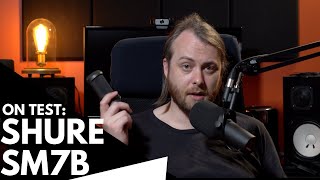
Shure SM7B Microphone Review: Worth it?
Full Review

Shure SM7B Review: Is It Worth The Price For Content Creators?
Review
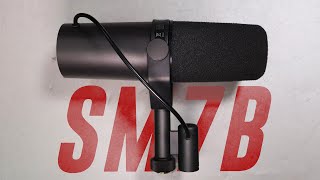
Shure SM7b Mic Review / Test (vs. RE20, Procaster, XM8500, Ethos, U87)
Long-term Review
Pros
Exceptional background noise rejection Warm, broadcast-quality tone Built-in windscreen, no pop filter needed Legendary durabilityCons
Needs 60+ dB of clean gain (Cloudlifter recommended) The most expensive mic on this listAT2020
Best Budget Pick
Audio-Technica AT2020
Price history
We have been recording this product's price at its dealers since July. Player members see the 90-day trend, what it has been at its highest and lowest, and whether today is actually a good day to buy it.
The AT2020 is the most popular entry-level condenser mic for a reason: it sounds like a mic that costs three times as much, and it's built like a tank. The flat, detailed frequency response captures vocals, acoustic guitar, and spoken word with clarity and minimal self-noise. Pair it with the Scarlett Solo and you have a complete recording chain for less than the cost of one mid-range mic.
Why it made the list
The AT2020 removes every financial excuse not to start recording. The side-address cardioid design captures vocals with a clarity and detail that punches well above its price; the self-noise floor at 20 dB-A is low enough that you won't hear hiss in quiet passages, and the frequency response extends flat enough to capture the full character of whatever you point it at. It doesn't have the ultra-low noise floor of the Rode NT1 or the room rejection of the SM7B, but it also costs a fraction of what either of them does. For anyone starting their first home studio, the AT2020 is the correct first mic purchase.
Deep Dive: Who It's Really For
The ideal buyer: A beginner who needs a solid condenser mic without overthinking it. The AT2020 does everything adequately and nothing badly; it's the Honda Civic of microphones. Reliable, unsexy, and exactly what you need.
AT2020 vs Rode NT1: The NT1 has lower self-noise (4 vs 20 dBA), a more refined high-end, and dual connectivity. But the AT2020 is markedly cheaper. If your recordings will be processed with compression, reverb, and EQ in a mix, the AT2020 gets you 80% of the way there at about half the price.
Real-world use: Mount it on a simple boom arm, add a pop filter, position it 6-8 inches from your mouth, and you're recording broadcast-quality vocals. The cardioid pattern rejects side and rear sound well enough for lightly treated rooms. Don't overthink it. Just record.
▶ Featured Review
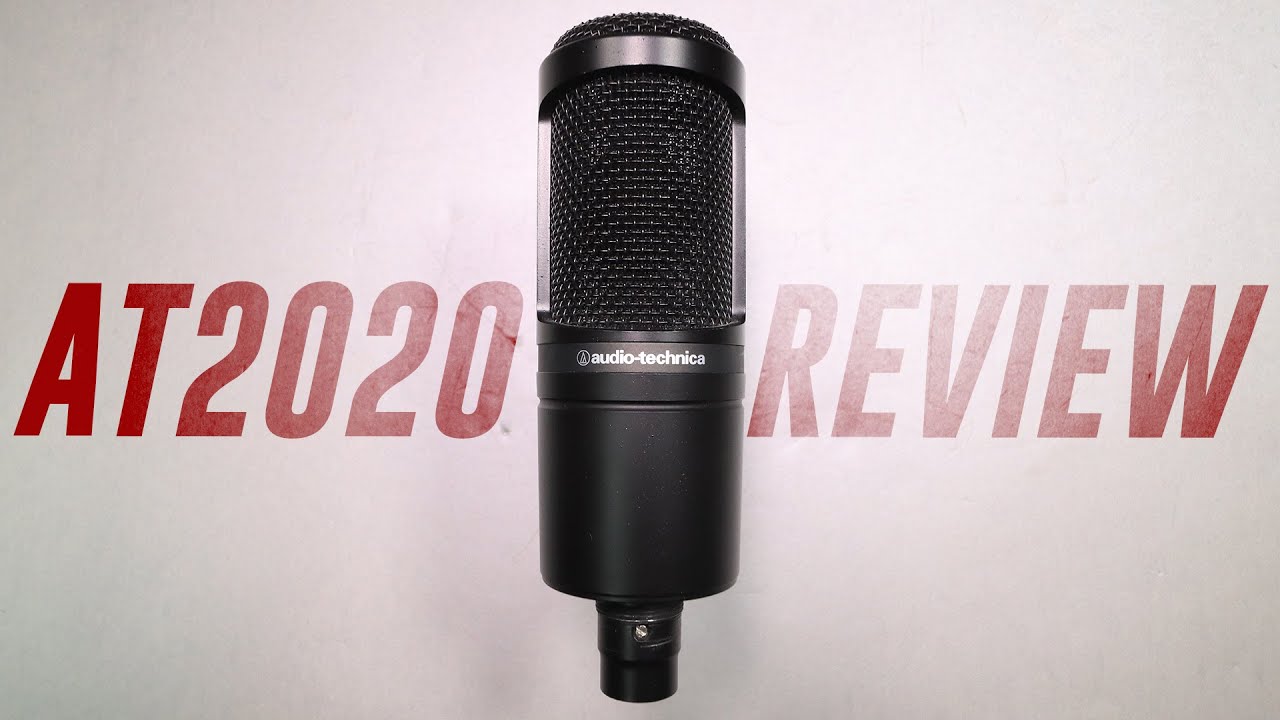
Video Reviews & Tutorials
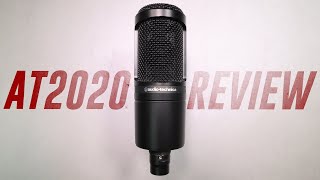
Audio-Technica AT2020 Cardioid Condenser Mic Review / Test (vs. MXL770, MXL990, Ember, More)
Full Review
Sound Check: Audio Technica AT2020 Microphone | Quick Review
Review

Audio Technica AT2020 Condenser Microphone | Review & Test
Review
Pros
The best value on this list Flat, detailed frequency response All-metal build quality Low self-noise (20 dB-A)Cons
Cardioid only, no pattern switching Needs a quiet room, reveals room problemsOrigin
Best Character Mic
Aston Origin
Price history
We have been recording this product's price at its dealers since July. Player members see the 90-day trend, what it has been at its highest and lowest, and whether today is actually a good day to buy it.
The Aston Origin is a hand-built British condenser with a warm, musical character that adds something special to vocal recordings. Where the AT2020 and NT1 aim for neutrality, the Origin has a subtle richness in the low-mids and a smooth top end that flatters voices without needing EQ. The unique wave-form mesh head doubles as a built-in pop filter.
Why it made the list
Not everyone wants a perfectly transparent mic. Some voices (especially those with a thinner or brighter character) benefit from a microphone that adds warmth and body to the recording. The Aston Origin does exactly that. Designed in the UK with input from over 4,000 audio professionals who blind-tested prototypes, the Origin has a gently colored sound that many engineers describe as "ready to mix" straight out of the recording. The wave-form mesh head acts as a built-in pop filter, saving you $20 and one more piece of hardware in your signal chain. If you've ever recorded vocals through a transparent condenser and felt like something was missing, the Origin might be the answer.
Deep Dive: Who It's Really For
The ideal buyer: A singer or songwriter who values character over clinical accuracy. If you want your vocal recordings to have warmth and presence without spending hours on EQ, the Origin delivers that straight from the capsule.
Aston Origin vs Rode NT1: Completely different philosophies. The NT1 is transparent with ultra-low noise: what you sing is what you get. The Origin adds character: what you sing gets a subtle warmth and richness. Neither is objectively better; it depends on whether you want a blank canvas or a warm starting point.
Real-world use: The Origin shines on indie, folk, and R&B vocals where warmth is a feature, not a bug. Pair it with a clean preamp (don't stack color on color) and you'll spend less time reaching for EQ in the mix. The built-in pop filter means one less thing between you and the mic.
▶ Featured Review
Video Reviews & Tutorials
Aston Microphones Origin Mic Review and Test
Full Review
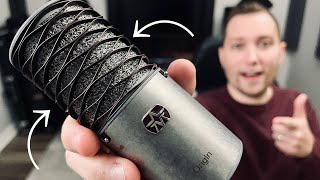
ASTON ORIGIN REVIEW - BEST Mic Under $200!
Review
Aston Microphones Origin Mic Review / Test (Compared to NT1, SM7b, KSM32)
Review
Pros
Beautiful warm character, flatters vocals Built-in pop filter (wave-form mesh) Hand-built in the UK Unique, striking designCons
Colored sound, not for purists Priced alongside the NT1 5th GenWA-47 Jr
Vintage Tone Pick
Warm Audio WA-47 Jr
Price history
We have been recording this product's price at its dealers since July. Player members see the 90-day trend, what it has been at its highest and lowest, and whether today is actually a good day to buy it.
Warm Audio has built a reputation for making affordable versions of legendary studio gear, and the WA-47 Jr delivers the classic Neumann U47 sound character at a fraction of the cost. The transformer-coupled output and custom capsule produce a lush, vintage warmth that's immediately recognizable: the kind of sound you hear on classic records from the '60s and '70s.
Why it made the list
The original Neumann U47 costs $5,000–$15,000 used (they haven't been manufactured since 1965). The WA-47 Jr captures the essence of that sound (the warm low-mids, the smooth high-frequency roll-off, the sense of "air" and dimension) in a modern FET condenser at a small fraction of the price. It's not a clone (no tube circuit), but it captures the vibe that makes the U47 legendary. For singer-songwriters and vocalists who want their recordings to feel vintage and intimate rather than modern and clinical, the WA-47 Jr delivers a character that EQ and plugins can't replicate.
Deep Dive: Who It's Really For
The ideal buyer: A singer-songwriter or producer who wants their vocals to feel like a classic record: warm, dimensional, and slightly romantic. Think Norah Jones, Jeff Buckley, or Bon Iver: voices where the mic contributes to the aesthetic.
WA-47 Jr vs Rode NT1: Opposite ends of the spectrum. The NT1 is crystal-clear and transparent. The WA-47 Jr is warm and colored. If you record pop, EDM, or hip-hop where surgical editing is common, choose the NT1. If you record folk, jazz, R&B, or indie where the raw vocal tone matters, the WA-47 Jr is the better choice.
Real-world use: The WA-47 Jr loves to be close. Singing 4-6 inches from the capsule gives you that intimate, "in the room" quality that defines classic vocal recordings. The proximity effect adds bass warmth that most engineers leave in the recording; it's a feature, not a problem. Pair it with a clean preamp and minimal processing for best results.
▶ Featured Review
Video Reviews & Tutorials
Warm Audio WA-47 Jr Review / Test (vs. AT2020, NT1, KSM32, U87)
Full Review

Warm Audio WA-47jr - Detailed Review and Microphone Comparisons
Review
Warm Audio WA-47 & WA-47Jr Condenser Microphones Review
Review
Pros
Classic vintage U47-style warmth Transformer-coupled output adds character Beautiful retro design Gets you a sound that costs $10K+ elsewhereCons
Colored sound, not for clinical recording FET circuit (no tube warmth like the full WA-47)Bluebird
Best Detail
Lewitt LCT 440 PURE
Price history
We have been recording this product's price at its dealers since July. Player members see the 90-day trend, what it has been at its highest and lowest, and whether today is actually a good day to buy it.
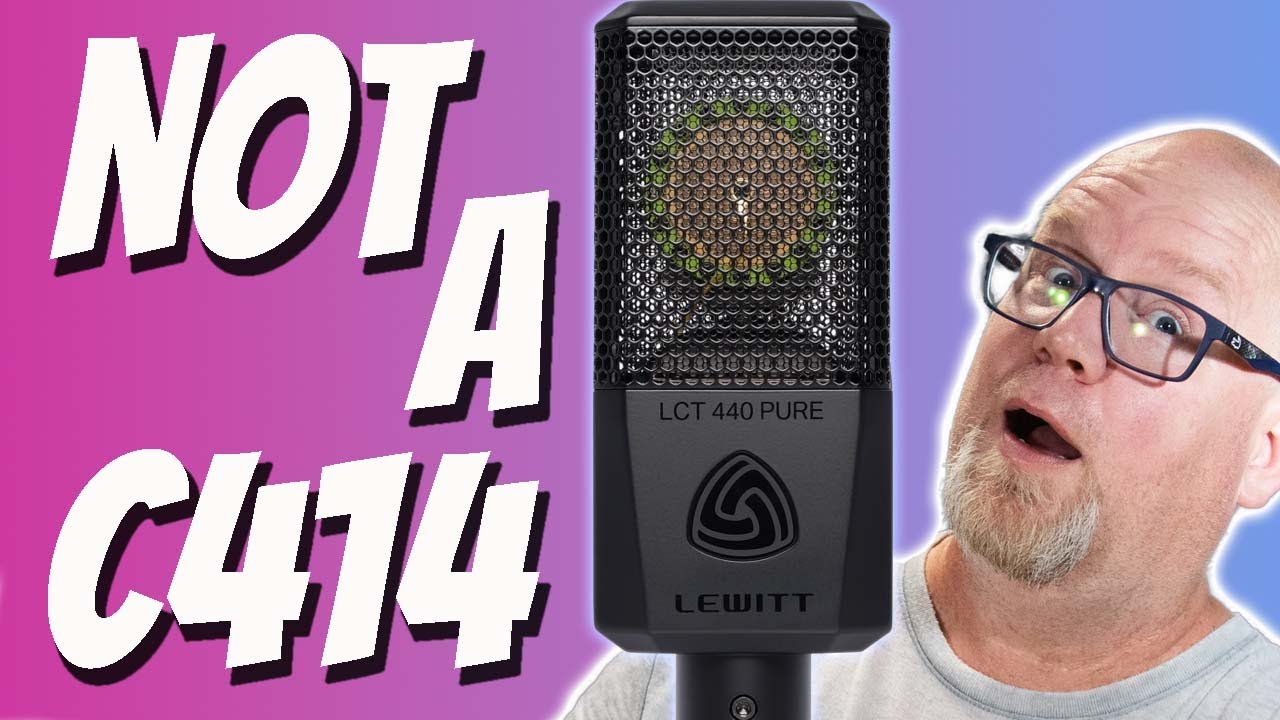
A one-inch true condenser with a deliberately plain feature set: no pad, no filter, no pattern switch, just the capsule. It is the most flattering microphone on this list and the one that rewards a treated room.
Why it made the list
Not every mic should be accurate. The LCT 440 PURE has a presence boost that flatters lead vocals. Cardioid pattern rejects room noise, self-noise is low, build quality is excellent.
Deep Dive: Who It's Really For
The ideal buyer: A singer or engineer with a treated room who wants detail and is willing to fix everything else at the preamp.
Deliberately plain: No pad, no high-pass filter and no pattern switch means fewer wrong settings and no safety net. In an untreated room that detail records the walls along with the voice.
Real-world use: Use the included shock mount, and roll off the low end at the preamp or in the mix rather than looking for a switch. On an already bright voice the presence lift is the wrong flavour, and the WA-47 Jr is the warmer alternative on this page.
▶ Featured Review
Video Reviews & Tutorials
Lewitt LCT 440 Pure Review and Comparisons
Full Review
Lewitt LCT 440 Pure Review / Test
Full Review
$1300 vs $269 Microphone: Lewitt LCT 440 Pure or Neumann TLM103?
Comparison
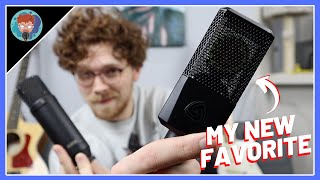
Rode NT1 vs Lewitt LCT 440 Pure - I Finally Found a Microphone I Like Better (Budget Mic Review)
Comparison
Pros
Warm presence peak Shock mount included Magnetic pop filter included Low self-noiseCons
No pad, no high-pass, no pattern switch: you fix it at the preamp Detailed enough to print an untreated room Presence lift punishes already-bright sources, so budget a de-esser